Common Types of Stone Used and How They’re Restored
People seeking stone restoration often want to repair and restore surfaces made of common types of stone, and local contractors can provide expert services to achieve durable, beautiful results.
Understanding the common types of stone used in property features and how they’re restored is essential for property owners looking to preserve and enhance their investments. Whether it’s a historic façade, a decorative fireplace, or outdoor paving, knowing the characteristics of different stones can help in making informed decisions about maintenance and repair. Local contractors who specialize in stone restoration have the expertise to assess the unique needs of each material, ensuring that repairs are both effective and respectful of the original craftsmanship. Exploring this topic can provide valuable insights into how proper restoration can extend the life and beauty of stone elements around the property.
For property owners in the area, understanding how various stones are restored can lead to smarter upkeep and preservation strategies. Different stones require specific techniques to address issues like staining, cracking, or surface deterioration. By connecting with experienced service providers, property owners can access tailored solutions that maintain the integrity and appearance of their stone features. Keep reading to learn more about the common types of stone used and how local professionals can help restore their natural beauty, ensuring lasting value for your property.
- Marble surfaces - homeowners noticing etching, staining, or dullness can rely on local contractors to restore their natural shine and smoothness.
- Granite countertops - when cracks, chips, or surface scratches appear, local service providers can perform repairs and polishing to renew their appearance.
- Limestone flooring - signs of discoloration or surface wear prompt local pros to use specialized techniques for cleaning and restoring its original texture.
- Travertine tiles - when grout lines become stained or tiles lose their luster, local contractors can apply sealing and polishing methods.
- Slate surfaces - weathering or surface damage can be addressed by local experts through cleaning, sealing, and restoration to preserve the stone’s integrity.
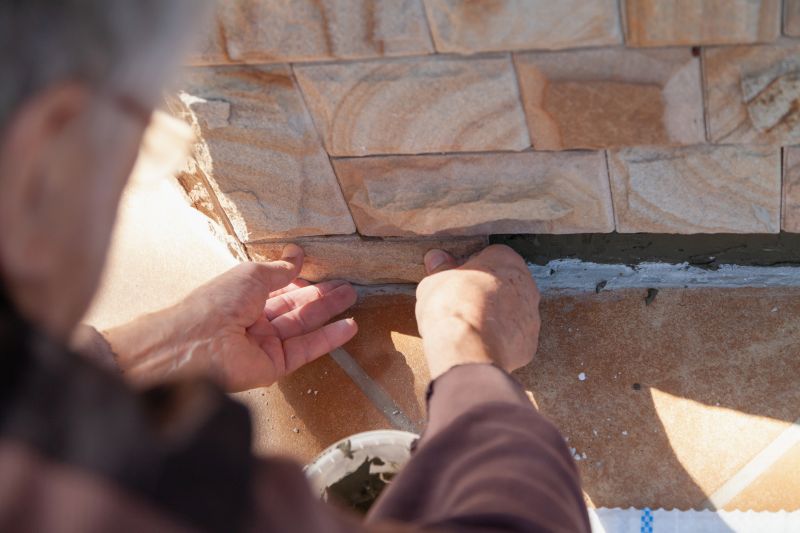
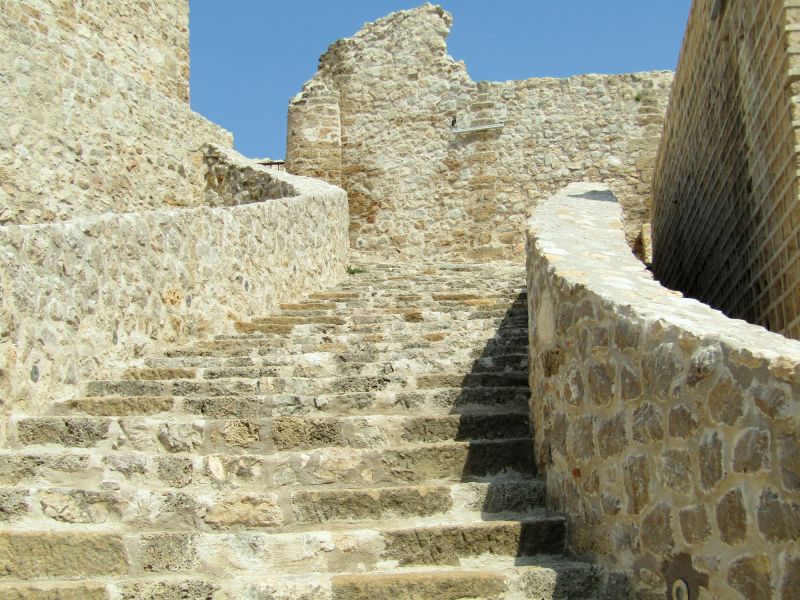

When searching for information on common types of stone used and how they’re restored, homeowners often want to understand the materials that make up their property’s surfaces and how those materials can be repaired or revitalized. This topic is typically related to projects involving historic or damaged stone features, such as outdoor patios, walkways, stone facades, or interior accents. People usually seek this knowledge to assess whether their existing stone surfaces can be restored to their original appearance or to determine the best approach for repairing cracks, stains, or surface deterioration. Understanding the different types of stone helps homeowners make informed decisions about restoration methods and which local service providers are best suited for their specific needs.
The kinds of problems associated with common types of stone used and how they’re restored often include surface erosion, staining, cracking, or chipping caused by weather, age, or improper maintenance. Property owners may plan to restore a historic building’s stonework, improve outdoor living spaces, or simply preserve the aesthetic appeal of their homes. These projects typically involve cleaning, repairing damaged areas, and sometimes applying protective treatments to extend the life of the stone. Recognizing the type of stone-such as limestone, granite, marble, or sandstone-helps determine the most effective restoration techniques, as each material reacts differently to cleaning agents, repair methods, and sealing products.
Properties that frequently feature the common types of stone used and how they’re restored include residential homes with stone exteriors, commercial buildings with decorative facades, and outdoor spaces like patios and pathways. Residential properties often have limestone or sandstone for their classic look, while granite is popular for its durability in high-traffic areas. Commercial properties may feature marble accents or stone cladding that require specialized care. In outdoor environments, natural stone surfaces are exposed to the elements, making restoration essential to prevent further damage. Local contractors who specialize in stone restoration are equipped to handle these varied property types, providing services that restore both the beauty and integrity of the stone surfaces.
For homeowners considering restoration, understanding the common types of stone used and their restoration processes helps clarify what’s involved in maintaining or improving their property. Local service providers can assess the specific stone material, evaluate its condition, and recommend appropriate cleaning, repair, or sealing methods. Whether dealing with historic stonework or modern outdoor features, these professionals bring the expertise needed to restore the original appearance and durability of the stone surfaces. Connecting with experienced local contractors ensures that each project is handled with the right techniques tailored to the particular type of stone, helping property owners protect their investment and enhance their property’s overall aesthetic.
Marble polishing projects - professionals skilled in restoring the shine and smoothness of marble surfaces, similar to those involved in stone restoration for common types of stone used and how they’re restored.
Granite countertop refinishing - local contractors experienced in repairing and restoring granite surfaces, applying techniques that align with stone restoration methods.
Flagstone patio restoration - service providers who can repair and restore natural flagstone, utilizing planning and tools comparable to those used in stone restoration processes.
Slate flooring repair - specialists capable of restoring slate surfaces, involving similar skills in cleaning, sealing, and surface treatment as in stone restoration.
Limestone veneer restoration - local pros familiar with restoring limestone surfaces, applying methods that match the restoration of common stone types.
Travertine tile restoration - service providers equipped to clean, repair, and refinish travertine, using techniques aligned with those used in stone restoration projects.
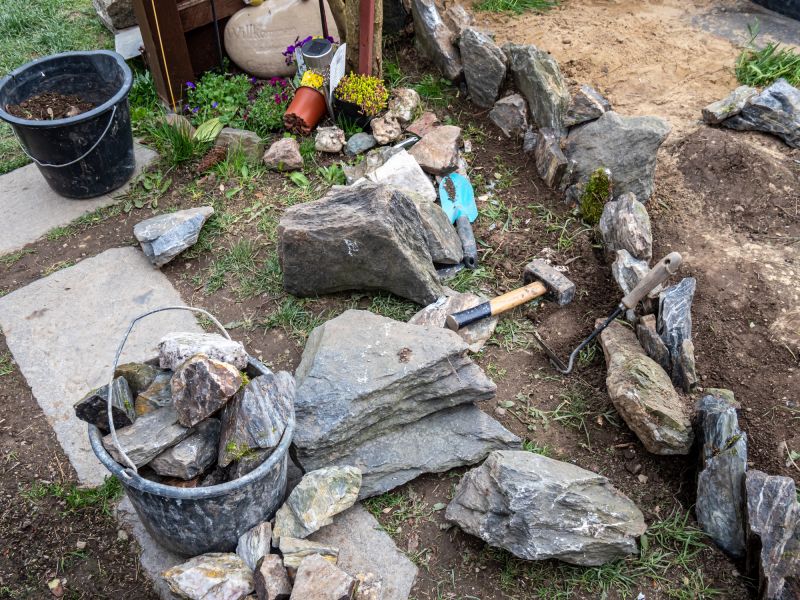
When comparing local contractors for stone restoration, it’s important to consider their experience with similar projects involving common types of stone used and how they’re restored. Homeowners should seek service providers who have a proven track record of handling stone surfaces like marble, granite, limestone, or slate, especially if the project involves restoration techniques specific to those materials. Reviewing past work or requesting examples of completed projects can provide insight into their familiarity with the unique challenges each type of stone presents, ensuring the chosen professional has the practical knowledge needed for effective restoration.
Clear written expectations are essential when evaluating local contractors for stone restoration services. A reputable service provider should be able to outline the scope of work, the methods they plan to use, and the types of restoration treatments appropriate for the specific stone involved. This transparency helps homeowners understand what to expect and ensures that there are no surprises once the project begins. Well-defined expectations also facilitate better communication and provide a basis for comparing different service providers on the clarity and professionalism of their proposals.
Reputable references and effective communication are key factors when selecting local contractors for stone restoration. Homeowners should seek out service providers who can provide references from previous clients with similar projects, as this offers reassurance of their reliability and quality of work. Additionally, good communication throughout the process-prompt responses, clear explanations, and willingness to answer questions-can make a significant difference in the overall experience. Choosing a professional who values transparency and maintains open lines of communication can help ensure the restoration process proceeds smoothly and meets expectations.
Property owners often search for common types of stone used and how they’re restored when they are planning practical projects around their homes and businesses. Local pros provide Stone Restoration services for everyday jobs and straightforward project options.
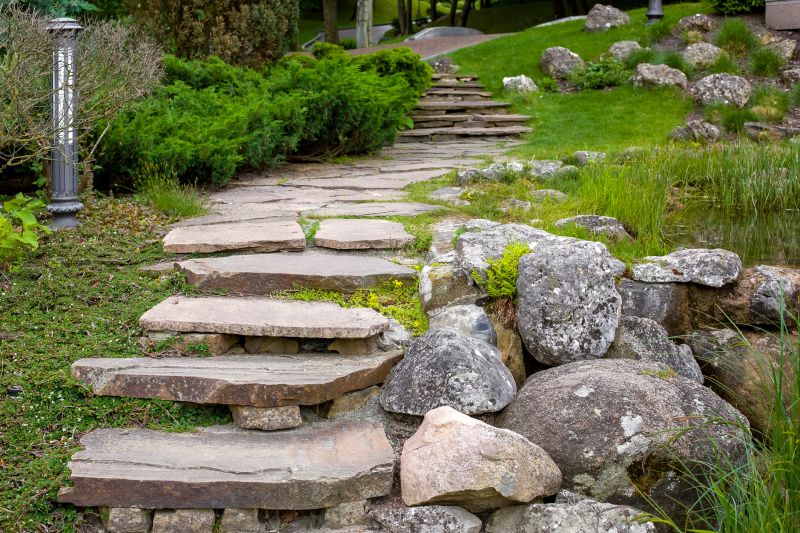
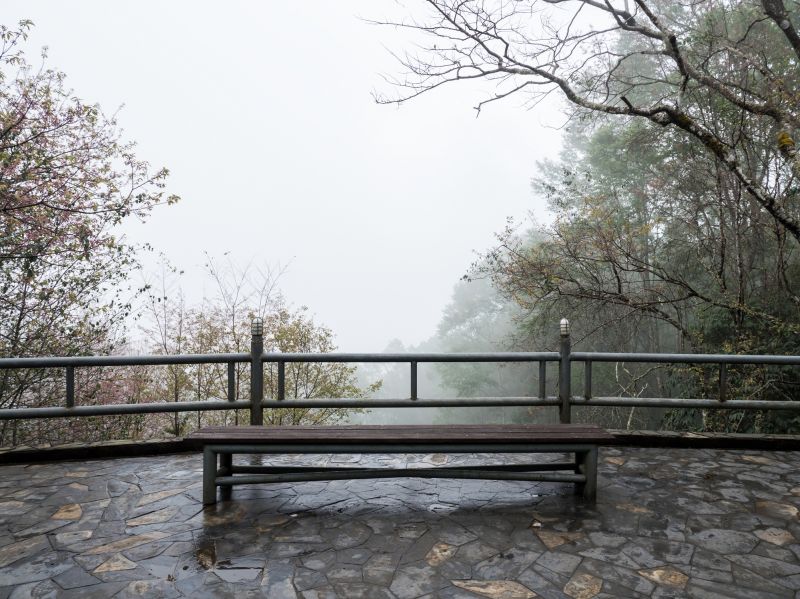
Understanding the common types of stone used in property features like patios, walkways, and interior surfaces can help property owners recognize when restoration might be needed. Materials such as granite, limestone, marble, and sandstone each have unique characteristics that influence how they age and respond to wear. Over time, exposure to weather, foot traffic, or spills can cause these stones to become dull, stained, or chipped. When issues arise, local contractors specializing in stone restoration can assess the condition of the stone and recommend suitable methods to bring back its original appearance, whether through cleaning, polishing, or repair techniques.
Restoring stone surfaces often involves techniques tailored to the specific material and its condition. For instance, marble may require gentle polishing to remove scratches, while sandstone might need careful cleaning to eliminate stains without damaging the surface. Local service providers skilled in stone restoration can perform these tasks efficiently, helping property owners maintain the beauty and durability of their stone features. Consulting with experienced contractors ensures that the restoration process respects the unique qualities of each type of stone, resulting in a renewed look that lasts.
What are the most common types of stone used in building and surfaces? Common types of stone used include granite, marble, limestone, travertine, and slate, each offering unique aesthetic and durability qualities. Local contractors can identify these stones and recommend appropriate restoration methods based on their specific properties.
How do local pros restore different types of stone surfaces? Restoration methods vary depending on the stone type and the condition of the surface. Techniques may include cleaning, polishing, sealing, or repairing chips and cracks, all tailored to preserve the stone's integrity and appearance.
Can all types of stone be restored to their original look? Most common stones can be restored effectively, although the process depends on the stone's composition and extent of damage. Skilled local service providers can assess and perform appropriate restoration to improve the appearance and longevity of the stone.
What are typical signs that a stone surface needs restoration? Signs include staining, scratches, cracks, dullness, or surface etching. Local pros can evaluate these issues and recommend suitable restoration techniques to address them and prevent further damage.
Are certain types of stone more challenging to restore than others? Yes, some stones like marble and limestone may require more delicate handling due to their softer nature, while harder stones like granite are generally more durable. Experienced local contractors understand these differences and can perform proper restoration for each type.
Identifying stone types - property owners can learn to recognize different stones to determine the best restoration approach with help from local contractors.
Choosing restoration methods - understanding how common stones respond to cleaning and repair guides property owners in selecting suitable techniques with professional assistance.
Addressing surface damage - localized cracks, stains, or erosion can be effectively repaired by local pros experienced in restoring specific stone types.
Preserving natural appearance - proper restoration techniques help maintain the unique look of each stone, ensuring longevity and aesthetic appeal in everyday projects.
If you are thinking about common types of stone used and how they’re restored for a property, this guide is meant to help you understand this topic, the typical project types, and how different options might fit your plans.
When you are ready, you can use the quote form on this page to share a few details about your project. From there, local pros can review the basics and follow up with options that match what you have in mind.